Studio Grade Color Fidelity
For those whose work demands absolute visual truth.
Delta E Under 2
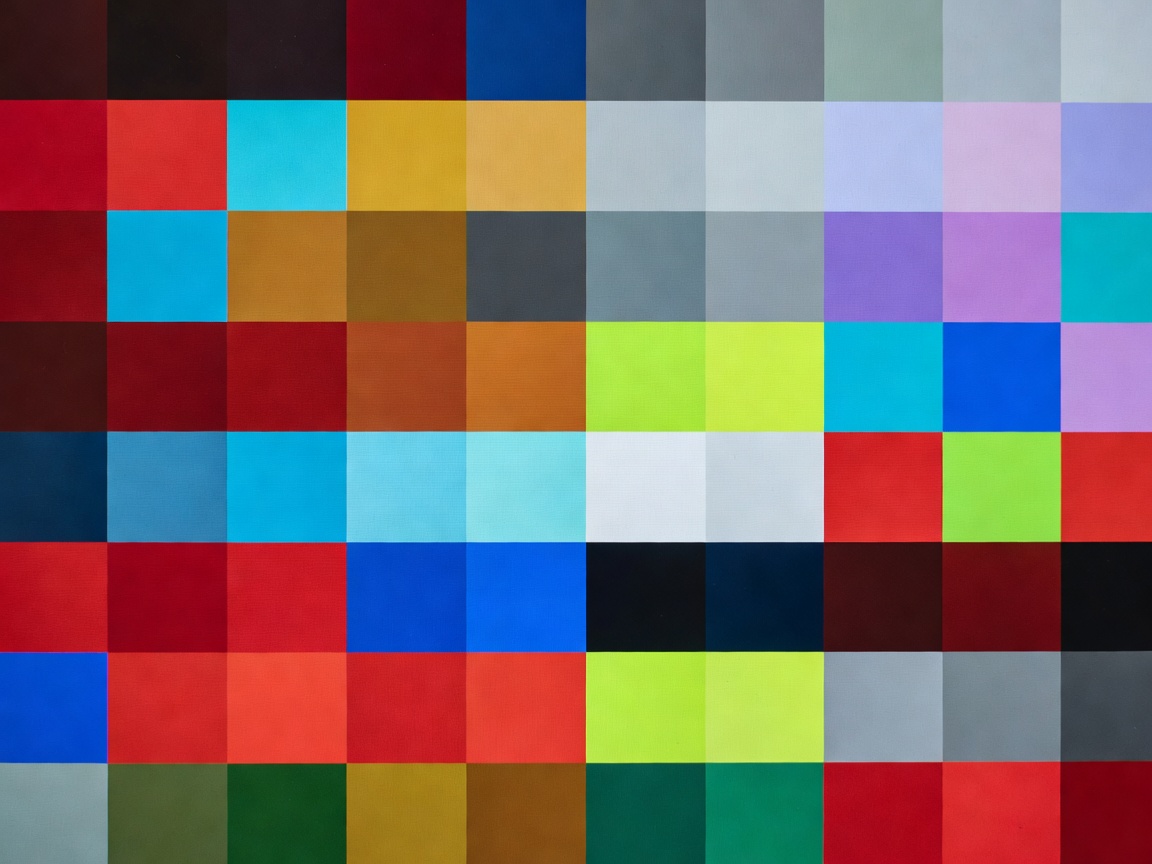
When selecting a monitor for photo editing, digital illustration, or video grading, the Delta E value is paramount. A Delta E of less than 2 means the difference between the requested color and the color displayed is virtually indistinguishable to the human eye. Factory calibrated IPS and OLED panels are engineered to hit these stringent targets consistently.
Calibrating Your Display
Even the most expensive, factory-calibrated reference monitors drift over time due to backlight aging and environmental temperature changes. Implementing a strict routine of calibrating your display every month ensures that your Adobe RGB and DCI-P3 profiles remain anchored to true industry standards.
Understanding Gamut Volumes
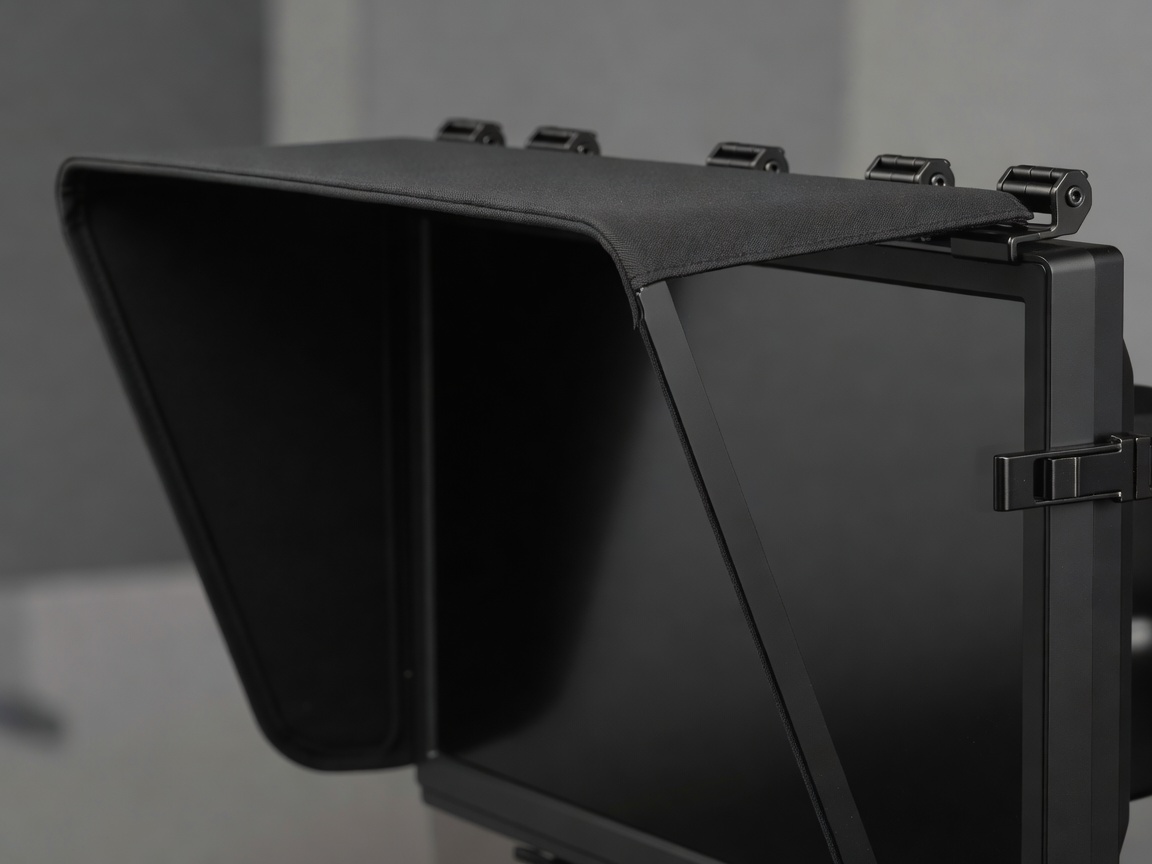
A wider gamut allows a monitor to display more vibrant, saturated colors. However, simply having a wide gamut isn't enough; the monitor must be able to map those colors accurately. Look for panels that offer hardware-level LUT (Look Up Table) adjustments, allowing calibration profiles to be saved directly to the monitor's internal memory rather than relying solely on software-level GPU corrections.